
ISLAMABAD — The Engineering Development Board announced a comprehensive policy framework on Monday, November 23, 2026, aimed at elevating technology exports by $2.5 billion through expanded domestic manufacturing of mobile phones, laptops, and lithium batteries. The initiative seeks to transition the domestic industrial base from simple assembly operations to comprehensive component manufacturing.
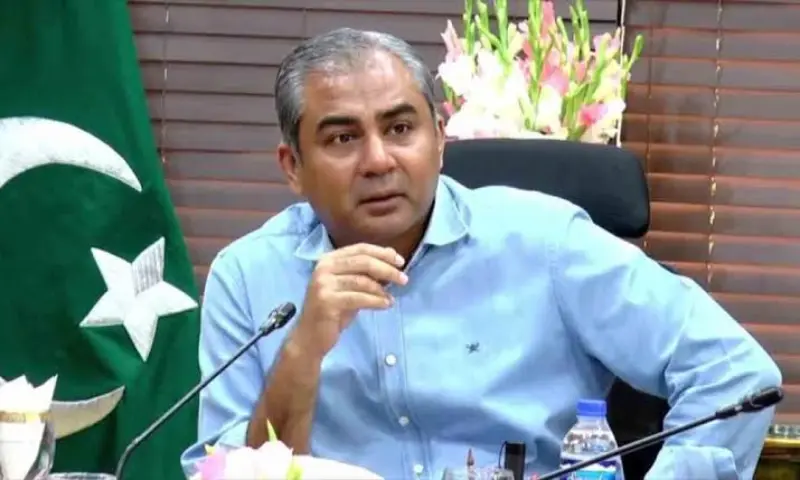
Engineering Development Board Chief Executive Officer Hamad Ali Mansoor stated that the previous Mobile Phone Manufacturing and Assembly Policy expired three years ago, prompting extensive consultations with industry stakeholders to design a viable successor. "Government policies play a major role in determining whether industries can expand production and exports," he noted during a televised interview.
Under the proposed framework, nearly 94 percent of mobile phones currently utilized in Pakistan are locally assembled, leaving a minor share for finished imports. The upcoming policy introduces annual targets and revenue-neutral fiscal incentives directly tied to localization levels and export performance to offset domestic production disadvantages against competitors like China and South Korea.
This strategic shift carries significant implications for the national economy and trade balance by seeking to capture higher-value segments of the technology supply chain. By encouraging major global brands already operating assembly plants locally to deepen their manufacturing footprint, the state hopes to generate roughly $500 million in phone exports over the next two years.
Addressing past industrial shortcomings, the executive emphasized that the strategy avoids futile attempts to match China's manufacturing scale, focusing instead on targeted operational efficiencies. Implementation remains dependent on formal cabinet approvals and finalizing the structured compensation mechanisms negotiated with participating industry assemblers.







Reader Discussion (0)
MODERATED · NO LINKS OR SPAMLoading reader comments...