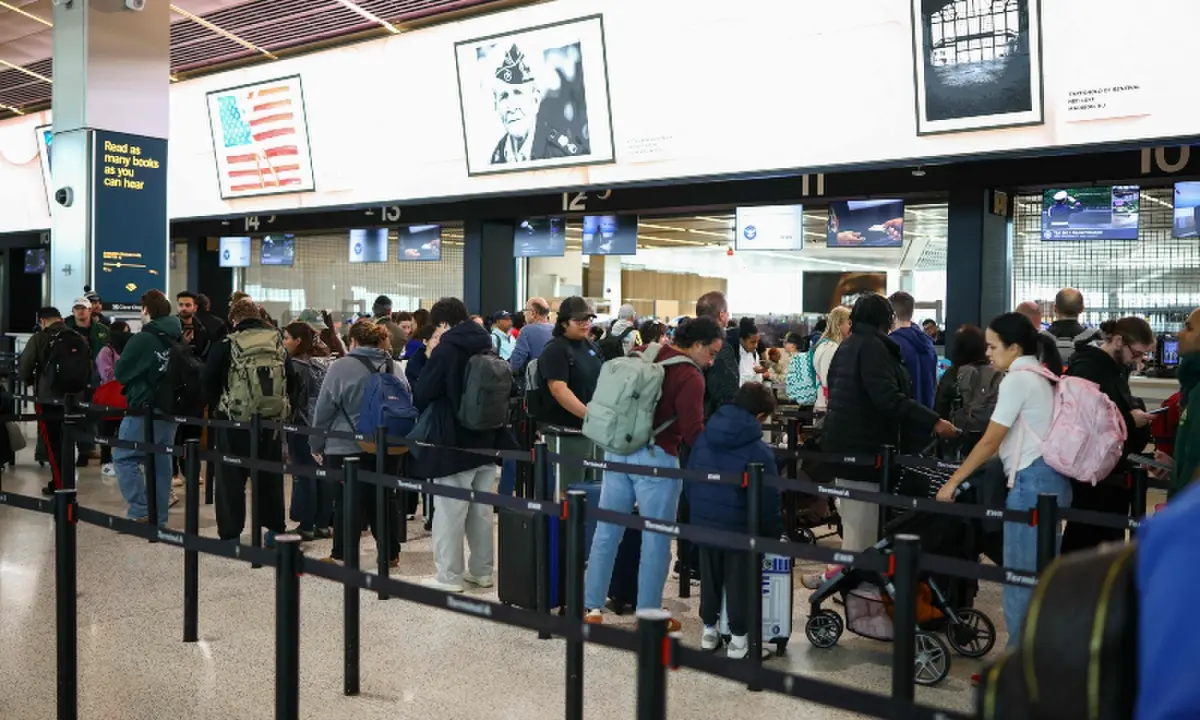
INTERNATIONAL DESK — American air travel operations began recovering on Monday following three consecutive days of severe passenger disruption triggered by an unprecedented nationwide ground stop directive issued by aviation authorities. The emergency halt, implemented on Friday afternoon, represented only the second nationwide grounding of flights in busy US airspace since the historic restrictions following the September 11 attacks.
According to aviation industry tracking data from FlightAware, more than 250 US-related flights scheduled for Monday within, into, or out of the country were cancelled. This figure reflected a significant improvement from Sunday, which saw upwards of 2,300 flight cancellations and more than 10,000 delayed journeys as passengers remained stranded at terminals across the country.
The administration attributed the major operational breakdown to a faulty upgrade procedure performed on critical air traffic control communication infrastructure. Amid mounting scrutiny regarding the technological readiness of the nation's aviation sector, officials worked to restore normal scheduling while addressing logistical bottlenecks affecting aircraft and personnel placements.
Federal Aviation Administration leadership had initially projected a full recovery by Sunday evening, though transport officials subsequently adjusted expectations, acknowledging that displaced crews and aircraft would require an extra day to completely normalize schedules. Political figures also exchanged blame over the funding and condition of the national airspace infrastructure as weary travelers navigated the aftermath of the weekend chaos.