Today's global technological landscape is defined by a convergence of ambitious regulatory interventions, rapid aerospace developments, and critical energy demands that collectively reshape the digital and industrial future. Recent policy signals from Washington regarding potential restrictions on overseas artificial intelligence data center construction, coupled with heavy tax penalties for non-compliance, indicate a profound shift toward technological protectionism. While these regulatory mechanisms remain largely undeveloped and lack specific enforcement frameworks, they signal an era where physical computing infrastructure is increasingly viewed as a matter of vital national interest.
The economic and institutional stakes of these developments extend far beyond traditional borders, directly impacting how emerging economies integrate into the global digital ecosystem. As major powers seek to exert greater sovereign control over critical technologies, nations must carefully evaluate their own technological positioning. The intersection of artificial intelligence expansion and physical infrastructure demands robust institutional frameworks capable of managing cross-border digital dependencies, ensuring that regulatory shifts do not inadvertently stifle global innovation or isolate developing digital markets.
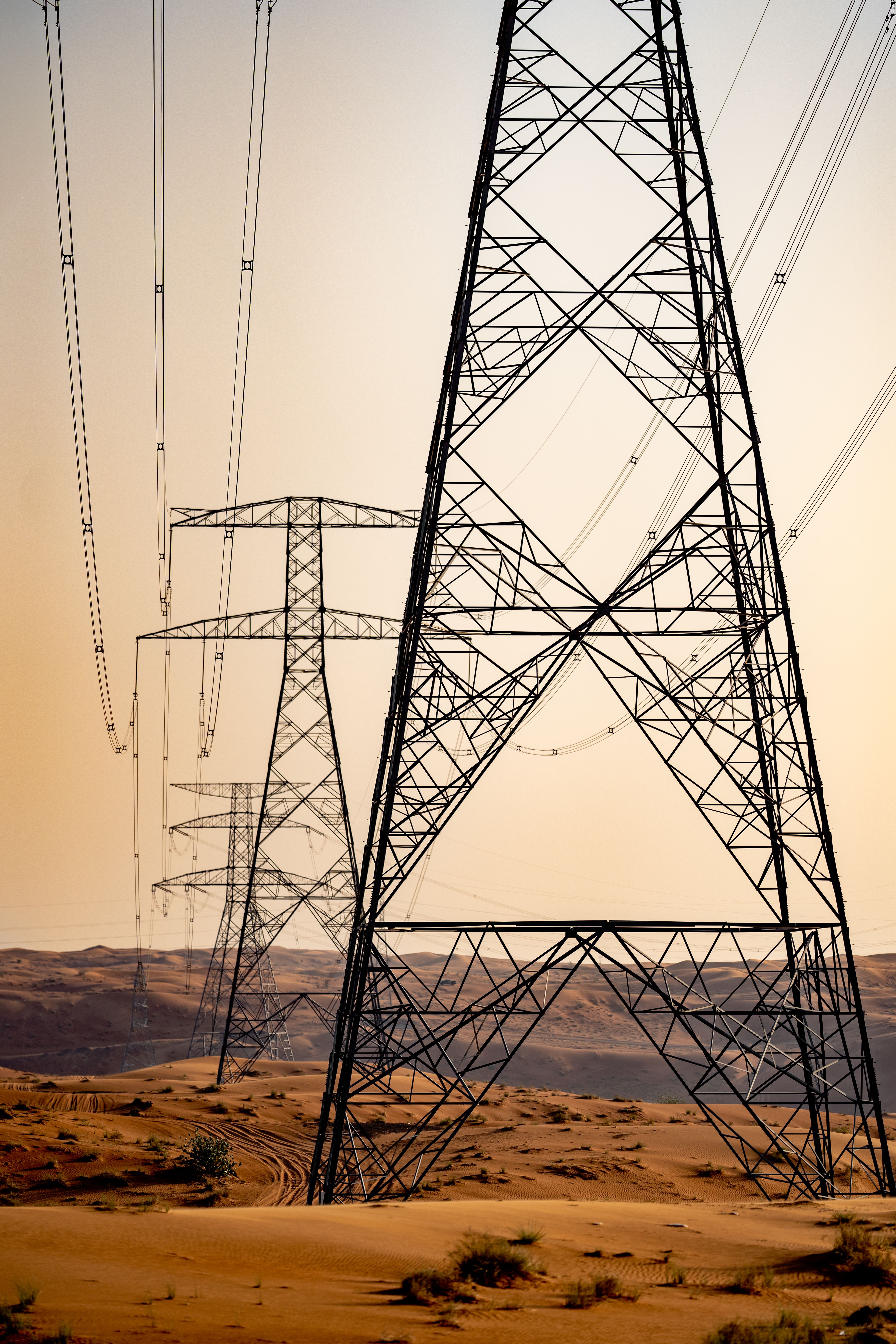
Simultaneously, structural bottlenecks in energy generation continue to challenge the rapid scaling of modern computational facilities. The exponential rise in power consumption required to sustain advanced artificial intelligence operations has exposed the fragility of traditional power grids worldwide. Addressing this energy crisis requires moving beyond conventional generation methods to embrace revolutionary solutions. Recent investments by specialized startups into super-hot rock geothermal resources represent a crucial technical frontier, offering the promise of stable, round-the-clock zero-carbon electricity by tapping deep geological formations previously deemed inaccessible.
Within the broader regional and global context, these technological transformations unfold alongside significant advancements in aerospace and defense engineering. Recent commercial satellite imagery from Shaanxi Province revealing an unusual uncrewed aircraft bearing structural similarities to carrier-based refuelers illustrates the relentless pace of global military modernization. Such developments remind policymakers that technological superiority is multifaceted, encompassing aerospace capabilities, digital computing power, and the underlying energy grids required to sustain them in an increasingly competitive multipolar environment.
To navigate this complex international milieu, the policy path forward must prioritize domestic resource optimization, technological resilience, and sustainable energy integration. Policymakers should focus on bolstering local technological capacity while forging strategic partnerships that insulate critical industries from external regulatory shocks. By aggressively pursuing innovative baseload energy solutions like advanced geothermal extraction and fostering an adaptable regulatory environment, nations can secure their technological sovereignty and drive long-term economic prosperity amidst global uncertainty.








Reader Discussion (0)
MODERATED · NO LINKS OR SPAMLoading reader comments...