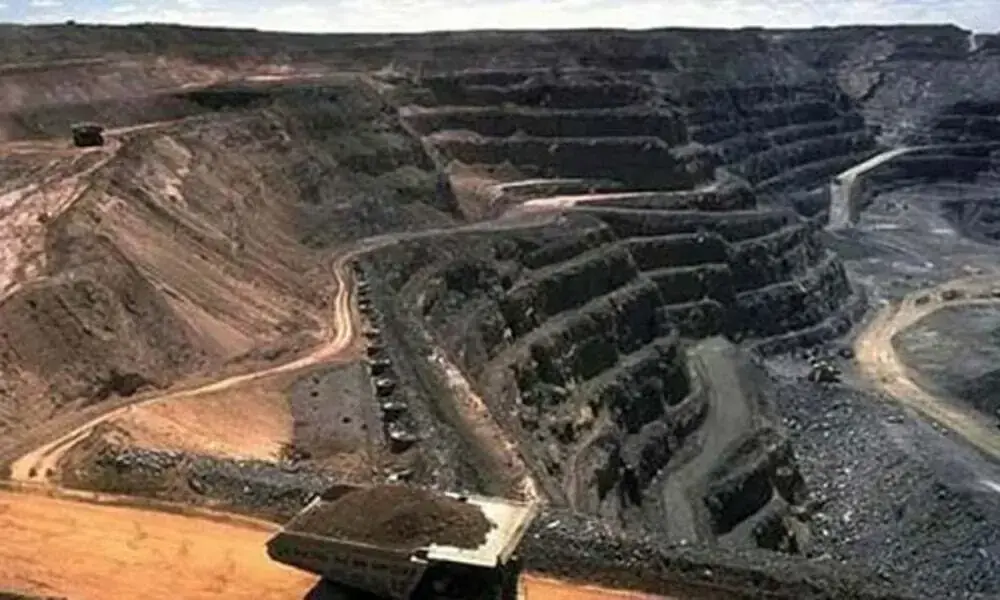
ISLAMABAD — The federal government has formally launched the transition of Thar coal mining operations from diesel generators to the national grid, a strategic shift projected to generate substantial foreign exchange savings for Pakistan. The development was detailed during a high-level review meeting in Islamabad chaired by Federal Minister for Power Sardar Awais Ahmad Khan Leghari, bringing together key stakeholders from the Power Division, Thar Coal and Energy Board, and regional utility providers.
Under the newly awarded and mobilized contract, completion timelines have been accelerated by eight to nine months, with the infrastructure now slated for completion by April 2028. The initiative will connect mining sites in Thar Block I and Block II to the national grid via 132kV transmission lines originating from the Islamkot Grid Station, supplying approximately 60 megawatts of electricity directly to the extraction zones.
The operational overhaul addresses significant inefficiencies in current extraction methods, which consume between 200,000 and 250,000 litres of diesel daily, including 35,000 litres allocated strictly for dewatering activities. By replacing diesel generation—which costs roughly 33 cents per kilowatt-hour—with grid electricity priced at 13 cents, the cost of coal production and the broader power purchase basket are expected to decrease by about $0.70 per tonne.
Beyond immediate financial relief, the transition delivers critical environmental and logistical milestones. Daily diesel savings are projected at approximately Rs25 million, while carbon emissions will drop by roughly 80,000 tonnes annually. Furthermore, mining operators are pursuing fleet electrification, with Block I aiming to integrate around 40 electric vehicles by the end of the year to bolster long-term decarbonization across the energy corridor.