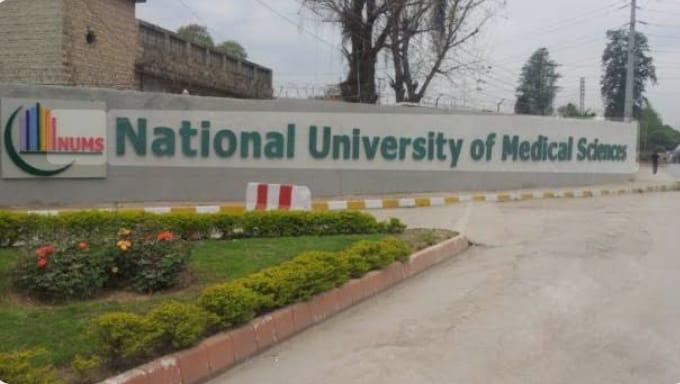
ISLAMABAD — The National University of Medical Sciences (NUMS) is showcasing Pakistan’s indigenous healthcare innovation at Prototypes for Humanity 2026 in Dubai. Dr. Ali Khalid, Consultant Microbiologist at NUMS, is presenting Phage Plus, a startup focused on combating antimicrobial resistance through phage therapy. This participation highlights the university’s active role in global scientific discourse.
Dr. Ali Khalid, Consultant Microbiologist at NUMS, stated that the initiative aims to address one of the most pressing public health challenges of the twenty-first century. He noted that phage therapy offers a viable alternative to traditional antibiotics in cases where resistance has rendered standard treatments ineffective. The presentation underscores the practical application of local research in solving global health crises.
The event, held in Dubai, serves as a global platform featuring innovative solutions to pressing challenges. Phage Plus represents a specific technological approach to antimicrobial resistance, a condition where bacteria evolve to withstand the drugs designed to kill them. The startup’s presence at this international forum indicates a significant step in validating the scientific rigor and market potential of the proposed therapy.
For Pakistani citizens and the broader healthcare sector, this development signals a growing capacity for domestic institutions to contribute to global medical advancements. Antimicrobial resistance poses a severe threat to patient safety and economic stability, making effective treatments a critical priority. By engaging with international stakeholders, NUMS positions itself as a key player in the future of infectious disease management.
While the presentation marks a significant milestone, the commercialization and widespread adoption of phage therapy remain subject to rigorous clinical trials and regulatory approvals. The initiative must navigate complex ethical and safety standards before it can be integrated into mainstream medical practice. Continued collaboration between academic institutions and global health bodies will be essential to translate this innovation into tangible patient outcomes.







Reader Discussion (0)
MODERATED · NO LINKS OR SPAMLoading reader comments...