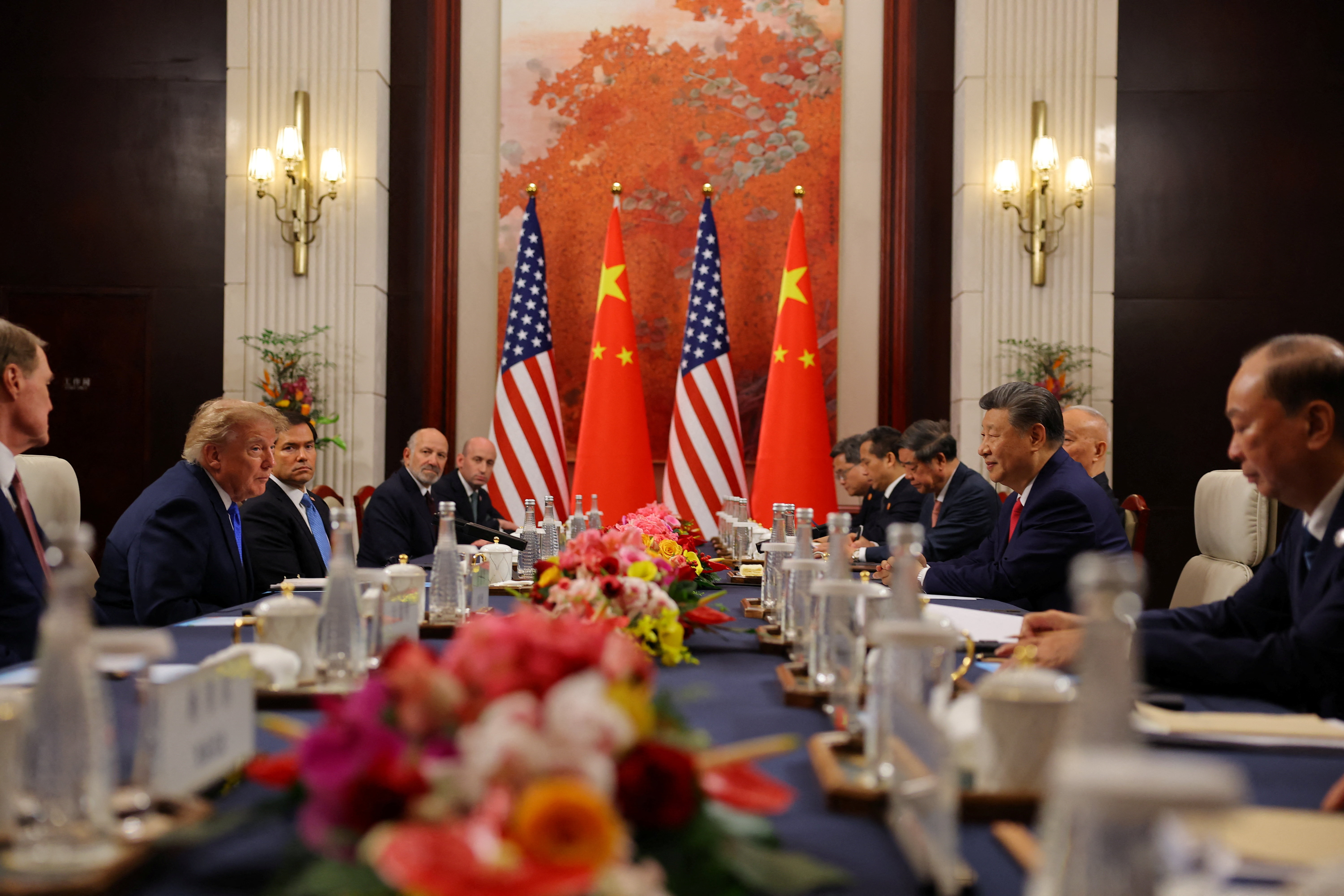
INTERNATIONAL DESK — SHENZHEN — US and Chinese leadership have reached a formal consensus establishing that human operators must retain direct control over military artificial intelligence systems, according to senior administration officials. Treasury Secretary Scott Bessent disclosed the agreement on Friday following high-level bilateral discussions held in China, describing the commitment as a pivotal outcome of the diplomatic engagement.
Under the terms outlined by administration officials, both nations agreed that autonomous systems should not be permitted to execute major military actions independently. The framework requires human intervention for critical defense decisions involving artificial intelligence, which the administration refers to as super intelligence. Bessent emphasized that this specific safety protocol remains entirely separate from the broader technological race between the two superpowers.
Despite the cooperative safety agreement, competitive pressures persist across the technology sector. Bessent stated that domestic AI laboratories must sustain their technological advantages to counter foreign models utilized in cyberattacks. He added that export controls remain firmly in place, restricting the Chinese market to secondary-tier hardware such as Nvidia's H200 processor under strict licensing requirements.
Commercial restrictions continue to tighten alongside diplomatic talks, following recent actions by the Commerce Department to limit access to advanced processors and overseas computing power. Administration officials maintained a unified stance regarding export policies, dismissing previous speculation surrounding regulatory alignment disagreements between economic agencies.
The bilateral talks also bypassed separate controversies, with officials confirming that unrelated corporate espionage investigations did not feature in the summit agenda. Market observers note that the combination of strict export limits and low foreign demand for restricted hardware reflects ongoing efforts to maintain technological separation while establishing mutual operational safeguards.






Reader Discussion (0)
MODERATED · NO LINKS OR SPAMLoading reader comments...